Powered By Blogger

Tuesday, December 6, 2016

5 Tips For A Strong Immune System This Holiday Season


The autumn and winter months are the time to release the long, active days of summer and turn within, becoming more mindful and reflective as the days become shorter. The seasonal shift may also leave you vulnerable to illness if your immune system is weak, so it's important to get a handle on stress and focus on healthy nutrition to stay well this season.
As a naturopathic doctor, I recommend these tips to my patients to support their immune system naturally. They are guaranteed to help you stay well through fall, winter, and into spring.

1. Focus on fresh, local, and seasonal.

Fall is the season of warm, earthy foods like apples, turnips, pumpkins, parsnips, yams, winter squash, mushrooms, sweet potatoes, pears, and elderberries. When we eat with the seasons, we are aligned with the healing energies that those unique foods bring. To become more rooted and grounded as we head into colder months, focus on warming spices, soups and stews, pilafs, and roasted vegetables. It's easy to build a strong and healthy immune system by simply checking out your local farmers markets, which will showcase the lovely array of autumn and winter fruits and vegetables!

2. Get moving in the morning.

Seasonal changes can have an impact on your mood, which can affect your workouts and your ability to get regular exercise. People who participate in daily exercise are 25 percent less likely to develop symptoms of seasonal affective disorder, and this translates into less depression and less overeating. Getting fresh air and outdoor exercise is supportive to your overall health, and making it a morning priority will help you maintain your fitness momentum. Leave your evenings free for snuggling on the sofa or in front of a warm fire with the people you cherish!

3. Incorporate more self-care.

Your ability to show up in life and help others is directly related to how much care you provide for yourself. Make seven to nine hours of sleep your focus every night, as this one habit can affect your well-being more than almost anything else—especially during the colder months. People with chronic stress tend to have weaker immune systems and are more prone to anxiety, depression, and insomnia, which can lead to a cascade of health problems. Lower levels of stress mean a healthier immune system. Allow yourself a routine self-care ritual like a nightly lavender bath or a weekly massage, acupuncture treatment, or restorative yoga session. You can also try a warming sock treatment; this age-old hydrotherapy treatment will stop a cold before it starts.
ADVERTISEMENT

4. Slow down and reflect.

Start bolstering your immune system now by listening to your body and taking cues from the weather outside. This is the time to reflect on and release the things that no longer serve you or bring happiness to your life. Meditation and self-reflection are vital to this season as we allow ourselves the space to make changes. Researchers found that mindfulness meditation affects the regions of the brain that control immune function and increase levels of circulating antibodies that identify and eradicate pathogens like viruses and bacteria. Sitting in stillness will not only encourage a greater sense of well-being, but it will help support immune function through the fall and winter months.

5. Use alternative preventive herbs and supplements.

Consider having weekly B12 and other vitamin and mineral injections to bolster your immune system and help maintain steady energy levels. Studies show that vitamin B12 and B6 deficiencies can inhibit both cell-mediated and humoral immunity, making it difficult for the body to respond to invading pathogens. Many of my patients report that while receiving B12 and other vitamin injections, they remain healthy while everyone around them suffers with the seasonal cold or flu. There are also a wide array of botanical medicines that have traditionally been used at the onset of a cold or flu. Herbal tinctures made from echinacea, elderberry, osha, and astragalus are good examples of herbs that are thought to help shorten the duration of the infection.
By following a healthy protocol like the one outlined above, you can build immunity naturally and make the most out of these warm, cozy, and transformative months of the year.

Wednesday, November 23, 2016


From a young age, we’re taught to say “thank you” after someone helps us. For many of us, it is now automatic – we say thank you to cashiers, servers, delivery people, coworkers – the list goes on. However, how many times do you actually feel the gratitude that “thank you” implies? Are you truly appreciating the work that the person has put in, or are you just saying it as a social nicety?


Truly, deeply-felt gratitude seems to be lacking in our society. We’ve exchanged heartful feelings of thankfulness for a curt thank you, added as an afterthought as we move through our busy lives. By doing so, we’re missing out on the powerful effects that gratitude has on our mind and emotions.


There have been a host of studies that examine the role that gratitude plays in our overall well-being. Gratitude has been found to be one of the most important factors in a person’s well-being.  Being shown gratitude also boosts reported feelings of well-being in schoolchildren, in customer relationships, and in adolescents, to name just a few! Similarly, feeling gratitude (“counting your blessings”) and expressing it were linked to both an immediate and enduring positive mood, increased optimism, and improved life satisfaction.


Interestingly, one group of researchers studied gratitude’s effect on the brain over three months. Participants who completed gratitude-expression activities had significantly increased neural activity in the part of the brain linked to gratitude, even after three months. They also demonstrated a greater likelihood to show gratitude in their daily lives at the end of the study.


Fortunately, our daily lives present us with a host of opportunities to practice gratitude and reap the positive benefits! Here are a few ways that you can bring gratitude into your day:


While eating: If we eat three or more times daily, we have many occasions to be in the mode of gratitude. Try what I call “gratitude bites”: Before every bite of food you take, quietly acknowledge your gratitude with a “thank you”. You can thank the plants and animals who are the sources of your food, the farmers who harvested your meal, the distributor that brought it to your local market, and the person who prepared it (even if it was you!). This is a great way to slow down your eating and infuse gratitude throughout your meal.


Before bed: Set aside five minutes before you go to sleep to express your gratitude. You can do so by writing down or simply saying the things you are truly thankful for in your life. Nothing is too big or too small to be grateful for – you can express gratitude for anything from a supportive partner to a tasty snack. If you get in the habit of sharing your gratitude every night, you’re training your brain to embrace gratitude, which will radiate into all aspects of your life.


Throughout the day: Instead of saying a meaningless thank you, try to replace it with true expression of gratitude in at least one interaction per day. Tell the barista at your busy local coffeehouse that you are grateful for her patience and friendliness when dealing with a non-stop stream of customers. Express to your coworker that you are thankful for the diligence and creativity she showed when finalizing an urgent report. Imagine how much more valuable that thank you would be both to the person who received it and to you!


On the weekend: Set aside an hour on a weekend to write a note to people who have a positive impact on your life, like your partner, parents, close friends, or mentor. It’s probable that you have taken their support and love for granted, and not thanked them enough for all they do. In the note, express your gratitude and appreciation for their role in your life. You can even write a note to yourself – after all, you likely under-appreciate yourself too!

 
Giving and receiving gratitude can make a huge positive impact in the lives of others, and in your own. Boosting your mood, improving your satisfaction, and feeling more optimistic is easily attainable through daily gratitude expression – why not start today?

Tuesday, November 22, 2016

10 Tips for Preventing the Cold & Flu Naturally

Flu season is well underway, and I’ve received lots of questions on The Myers Way® Community Forum about how to avoid the flu and stay well this winter. This is an important question, as getting sick can stress your immune system, increasing your risk of a flare up in an autoimmune condition, thyroid dysfunction, or other chronic illness. Getting a cold or the flu can also often lead to taking antibiotics which are typically unnecessary (since the cold and flu are both caused by viruses) and can damage your gut.

10 Tips for Supporting Your Immune System and Preventing the Flu Naturally

Ensuring a strong foundation of health and following simple best practices will go a long way in decreasing your risk of getting the flu. Here are ten tips for staying healthy this flu season.

1. Wash Your Hands Frequently and ThoroughlyThis is the number one way to prevent the flu and other respiratory infections. You must scrub your hands thoroughly with soap and water for at least 20 seconds in order to kill viruses. Twenty seconds is about how long it takes to sing the ABC’s one time through. Do not touch your eyes, nose, or mouth without first washing your hands.

2. Heal Your GutYour gut is your gateway to health, 80% of your immune system is located in your gut. Make sure your gut is in tip-top shape, and take a high-quality, multi-strain probiotic with at least 25 billion units. This will keep your levels of good gut bacteria up to help fight off infections.

3. Reduce Alcohol and Sugar ConsumptionEven moderate alcohol consumption suppresses the central nervous system, and therefore your immune system. Consuming too much sugar can suppress the immune system and make it more difficult for your body to fight off infections like the flu. It also leaves you open to gut infections such as Candida and SIBO, which suppress your immune system and cause leaky gut.

4. Reduce Your StressStress is known to suppress our immune systems. Consider meditation, yoga, or acupuncture. See additional relaxation tips and learn about my favorite ways to relieve stress in this article.

5. Get 7-9 Hours of Sleep Every NightYour body relies on sleep to recuperate from daily exposure to toxins. Chronic sleep deprivation can significantly reduce immune function.

6. Supplement with Glutathione, Turmeric, and Vitamin CAntioxidants are very important for your immune function. Glutathione is the chief antioxidant in your body, responsible for enhancing your immune system and helping your liver with detoxification. Curcumin is the orange pigment in turmeric and a potent antioxidant that improves joint health and cardiovascular function. Vitamin C provides potent antioxidant protection, and supports optimal immune function

7. Take an Immune BoosterGive your immune system an added boost with some immunoglobulins and protein, I carry immune boost capsules in my store.

8. Optimize Vitamin DVitamin D is a powerful immune system modulator, meaning it is key to fighting off infections and regulating autoimmunity. Optimal levels range from 50 to 70 ng/mL, so I recommend taking 5,000 IU per day and working with a physician to regularly monitor your levels.

9. Consider a Zinc SupplementZinc is another powerful antioxidant that plays a crucial role in immune health. Within the immune system, zinc is needed for gene regulation and the functioning of neutrophils, natural killer cells, and lymphocytes, which are all types of white blood cells.

10. Get Plenty of ExerciseExercise can boost your immune system by increasing your circulation and relieving stress. Increased circulation allows antibodies to travel throughout your bloodstream faster, making it easier for your immune system to fight off an illness. Exercise can also enhance your immune system by relieving stress and slowing the release of stress hormones in the body.

Supporting your immune system, strengthening your gut health, and remaining rested and stress-free are not only the keys to preventing the flu, they are an integral part of The Myers Way®, and will keep you on the path to optimal health.

Wednesday, November 16, 2016

How Garlic Can Save Your Life

How Garlic Can Save Your Life
Research on garlic indicates that it may provide an ideal low-cost and safe alternative to drugs and vaccines in reducing the three most common causes of death in the world.
In a world mesmerized by the false promises of pharmaceutical industry marketing copy, as well as inundated with aggressively marketed dietary supplements, many of which are manufactured by the same companies making a killing off patented chemicals (Bayer owns One A Day, Pfizer owns Centrum), it is reassuring to know that the kitchen pantry will never fail us...
Inexpensive, time-tested, safe and delicious, many spices are attaining recognition for being, quite literally, 'life saving,' which is likely one reason why, in ancient times, many were worth their weight in gold.
This time around, the health benefits of ancient 'folk remedies' like garlic are being confirmed by straight-laced men and women in lab coats. Which, when it comes to the conventional medical establishment, blighted as it is by the epistemological disease known as myopia, is considered the only valid way to ascertain the truth. Never mind the countless millions of people who, since the beginning of time, have used a different standard of proof: if it works and it is safe, then its true.
We all know that garlic is not shy to make its presence known. The smallest culinary dose is enough to suffuse the entire body with its aroma. Garlic also permeates the research literature: the biomedical database known as MEDLINE, provided by the National Library of Medicine, contains 4245 study abstracts on garlic, a number of which we have indexed and organized for your use on our site: Health Benefits of Garlic.
A cursory perusal of the literature there indicates that garlic has a significant role to play in preventing or treating well over 150 health conditions, ranging from cancer to diabetes, infection to plaque buildup in the arteries, DNA damage to mercury poisoning.
In fact, a strong argument can be made (pun intended) that expanding the availability of garlic around the world as both a food and a medicine could prevent millions of deaths annually. According to World Health Organization statistics, the populations of poorer countries die manly from causes directly connected to communicable infectious diseases, which incidentally are not caused by a lack of vaccines, rather, primarily through under-nutrition and malnourishment, lack of sanitation and hygiene, as well as the adverse physiological consequences of the depression and stress associated with poverty.  The greater use and availability of garlic might provide a perfect alternative to global vaccine initiatives, the use of which are driven less by compelling scientific research, and more by political and economic forces. Garlic is easier to acquire and distribute, and can often be grown by the affected persons or communities affected, making it essentially free.

Garlic Versus #1 Cause of Death for the Poorest Countries

As far as the research goes, garlic has immensely powerful anti-infective properties, experimentally confirmed to kill the following:
  1. Methicillin Resistant Staphylococcus Aureus (MRSA)[1], [2]
  1. Thrush (Fungal overgrowth in oral cavity)[3]
  2. Pseudomonas Aerigonosima, including drug-resistant strains.[4][5][6]
  3. Cytomegalavirus Infections[7] [8] [9] [10]
  4. Mycotoxin-associated aflatoxicosis[11] [12]
  5. Helicobacter Pylori infection[13]
  6. Candida (Yeast) infection[14] [15] [16]
  7. Klebseilla infection[17] [18]
  8. HIV-1 infection[19] [20]
  9. Vibrio infection [21] [22]
  10. Mycobacterium Tuberculosis, multi-drug resistant[23]
  11. Clostridium infections[24]
  12. Viral Infections:  Herpes Simplex 1 and 2, Parainfluenza virus type 3, vaccinia virus, vesicular stomatitis virus and human rhinovirus type 2.
  13. Group B Streptococcus Infection[25] [26]
This is an impressive smattering of research, but it is likely only the tip of the iceberg when it comes to garlic's ability to fight infection.  Remember, a lack of scientific proof does not imply a lack of efficacy. Given that conventional antibiotics are not only failing, but driving bacteria and viruses into greater lethality, we can't wait around for the multi-billion dollar clinical trial-based drug approval process to turn its attention to a non-patentable natural substance.  Such a profit-oriented approach would be highly unethical.

Garlic Versus the Developed World's #1 and #2 Killers

The research on Greenmedinfo.com shows garlic has value in 167 health conditions or disease symptoms, but the greatest density of research indicates garlic's role in preventing and/or treating Cardiovascular Disease and Cancers, the two primary causes of death within high-income countries.[27] 
This is an interesting finding. The drug industry has been fantasizing about a so-called 'polypill' for quite some time, an idea involving mixing various patented medicines together for a condition like heart disease (e.g. blood pressure, cholesterol, blood thinner), but to no avail. Patented chemicals have far too many side effects, so when you mix them together, you only compound their multitudinous chemical toxicities. Natural substances, on the other hand, and especially those which play a role in culinary traditions as "spices," appear to have the opposite karma. Namely, they have far more 'side benefits' than 'side effects.'
Garlic's cardioprotective effects include:
  1. Retards progression of arterial plaque[28] [29] [30]
  2. Beneficially decreases white adipose tissue, increases white adipose tissue around heart muscle.[31]
  3. Protects against clotting[32] [33]
  4. Positively modulates blood lipids[34],[35],[36]
  5. Vasodilator[37]
  6. Reduces blood pressure[38]
  7. Antioxidant[39]
  8. Endothelial Dysfunction[40] [41]
  9. Vascular Inflammation[42]
Here is a quick review of the cancers that garlic has been found to kill:
  1. Acute Lymphoblastic Leukemia[43]
  2. Acute Myeloid Leukemia[44]
  3. Basal Cell Carcinoma[45]
  4. Breast Cancer[46],[47]
  5. Cervical Cancer[48]
  6. Colon Cancer[49]
  7. Endometrial Cancer[50] [51]
  8. Gastric Cancer[52] [53]
  9. Leukemia: Chronic Lymphocytic Leukemia (CLL)[54]
  10. Liver Cancer[55] [56] [57]  [58]
  11. Lymphoma[59] [60]
  12. Melanoma[61
  13. Osteosarcoma[62]
  14. Pancreatic Cancer[63]
Garlic, like so many other complex foods, contains a wide range of phytocompounds that articulate at least 150 distinct physiological responses in the mammalian body (see our 157 pharmacological actions list on the Garlic Research page).
How can this be so?
One explanation is that all foods contain not only physical building blocks, e.g. carbs, proteins, lipids, and are not only a source of energy (caloric content), but contain gene and epigene regulatory information. There are 'packets' of energy and information contained within the conformational state of the biomolecules found within these plant tissues. Our co-evolution with the plant kingdom for the past half a billion years has resulted in the very genetic/molecular fabric of our body depending on certain key compounds from plants in our diet, delivered in natural form, not irradiated, overly-cooked, petrochemically-farmed. Garlic's ability to fit like a key, into many different types of locks (an impossible feat for monochemical 'magic bullets'), reflects an likely infinitely complex intelligence in the relationship between plant and animal species. Which speaks to how important foods are not simply as 'medicine,' but that from which our bodily health grows organically, and without which disease is a natural consequence.

Wednesday, November 9, 2016


Cold and Flu Prevention + Holistic Tips
by Andrea Beaman
 
The changing season brings with it a host of challenges especially, for the lungs and respiratory system.
 
You may have noticed as the weather dips down, more people begin complaining of flu, colds, cough and runny nose. This is normal.
When season’s change, atmospheric pressure and wind shifts, and our bodies have to make adjustments to those environmental modifications.
Moving from warmer weather into cooler weather (summer to fall, and fall to winter), the body begins contracting. As the body goes through this natural process, it becomes momentarily de-stabilized, and this can create the perfect environment for viruses to enter into the system.
Like most folks, you may not be prepared for the onslaught of common bugs that can enter your body through the respiratory system at this time of year… but if you have some herbal and culinary savvy, you need not worry.
Right now, in your kitchen, you probably already have these easy remedies that can keep the bugs at bay and help you retain good respiratory health through seasonal shifts.
Here are a few of my favorites:
Garlic Toast – at the first sign of a tickle in your nose or throat, crush a fresh clove of garlic and mince it finely. Mix the garlic with honey and smear it on top of toasted sourdough bread and eat it. For those of you that do NOT eat gluten, smear it onto an apple, or just put it onto a spoon and directly into your mouth. If you opt to put it directly into your mouth without a buffer (bread or apple), be prepared – it is STRONG! Garlic (Allium sativum) is both antimicrobial and antiviral, and at the onset of respiratory invaders, can work like magic!
Oregano Gargle – if the tickle moves into your throat, mince 5-6 tablespoons of fresh oregano (or 2 tsp. dried oregano) and put into a bowl. Pour 6-8 ounces boiling water on top of leaves and steep, covered, 15-20 minutes. Strain out the leaves and gargle with the warm oregano water. Make sure the water is not too hot. I don’t want you to burn your throat. Oregano (Origanum vulgare) contains thymol and carvacrol, that have powerful antiseptic and antibiotic properties. You could also use 1-2 drops of oregano essential oil in hot water and gargle with that.
Thyme Tea with Lemon and Honey – If you don’t catch the bugs at the onset (in the nose or in the throat), and your immune system has been slow to respond, they are going to move into your chest. Here’s where you will develop a tickle in the chest and a cough. Pull 5-6 tbsp. of fresh thyme leaves off the stem and pack into a “tea ball”. Put the tea ball into a mug and cover with boiling water. Steep, covered, for 15 minutes. Add 1 tsp. honey and 1 tbsp. fresh lemon juice. Drink 3-4x per day. If you don’t have fresh thyme, you can use 2 tsp. dried thyme. Thyme (Thymus vulgaris) contains volatile oils that are strongly antiseptic and promote expectoration. It is an excellent remedy for respiratory infections and coughs.

Friday, November 4, 2016

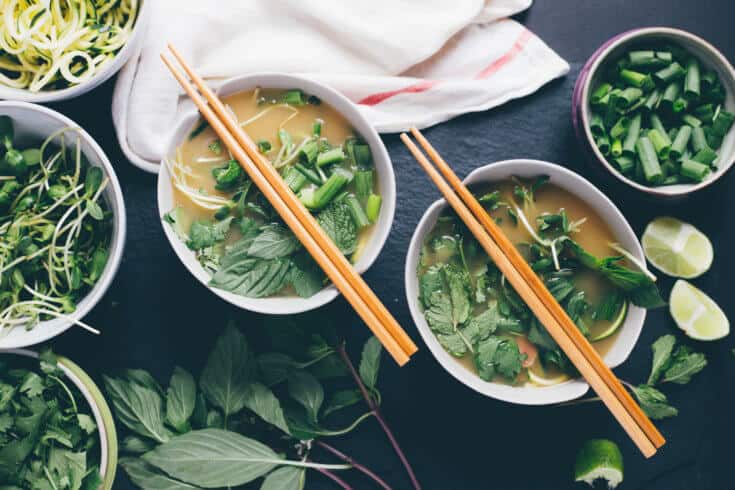
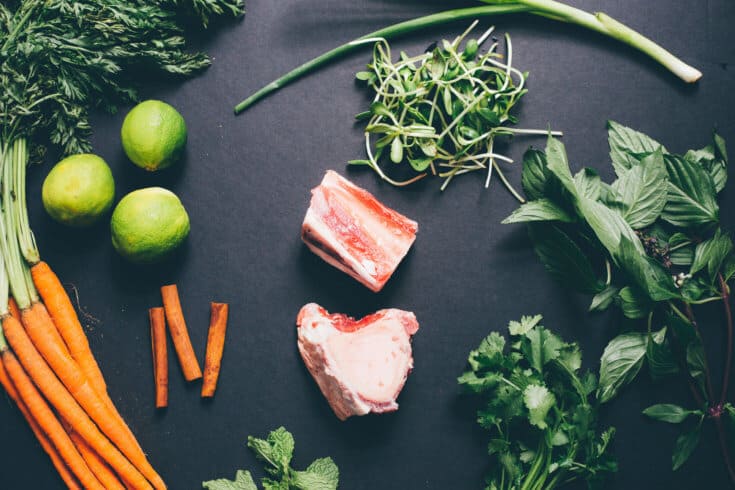
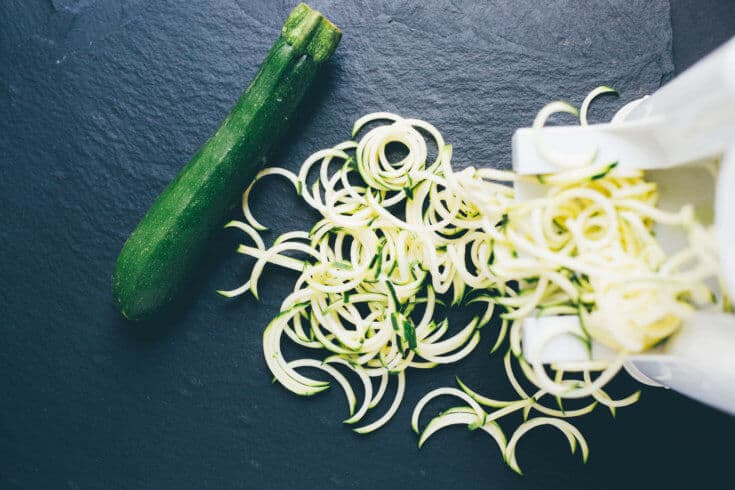
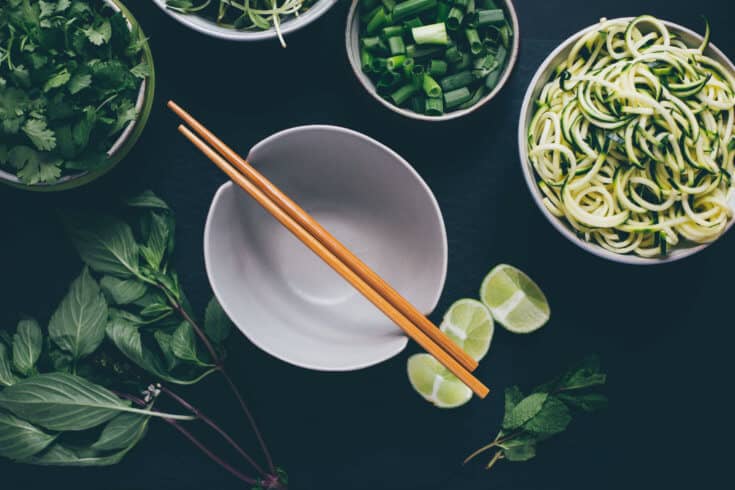
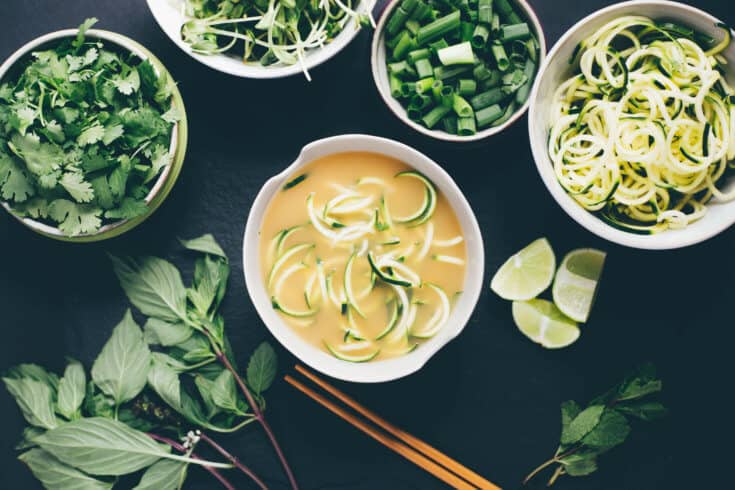
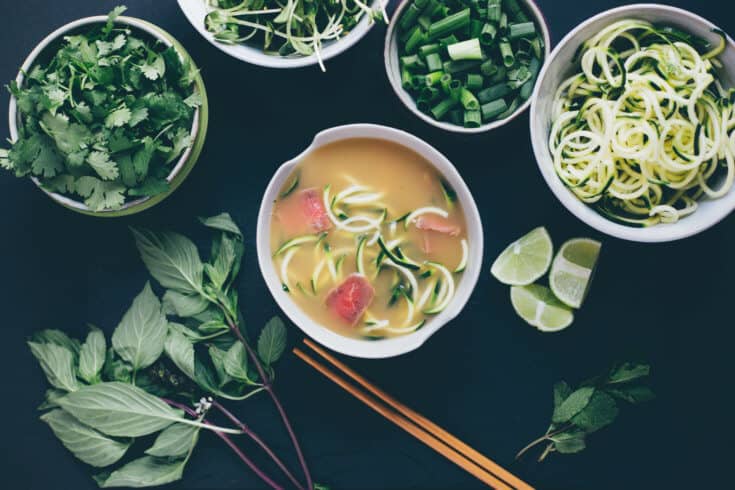
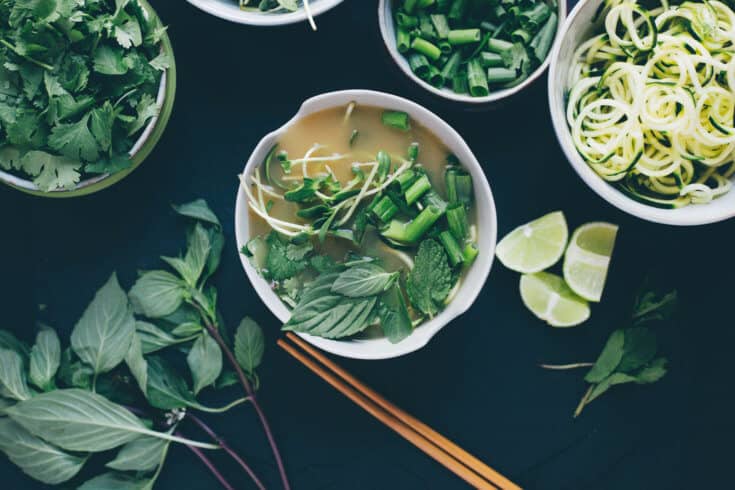
Pho Recipe — a Gut-Friendly Vietnamese Soup